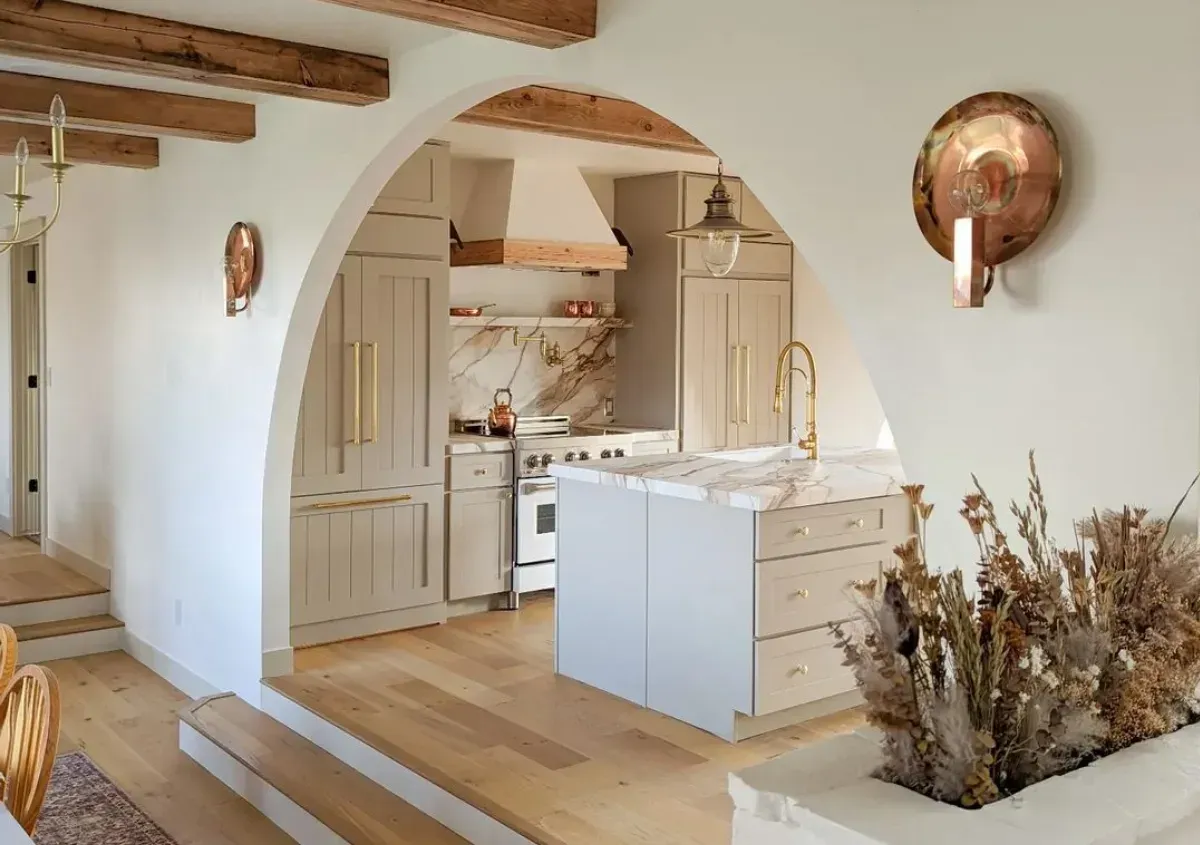
White Oak Built-Ins: Veneer vs. Solid Wood and What We Recommend
White Oak Built-Ins: Veneer vs. Solid Wood and What We Recommend
White oak has become a popular choice for homeowners looking to add warmth, character, and timeless style to their interiors. Its natural grain and versatile appearance make it an excellent material for custom built-ins, cabinetry, bookshelves, media walls, and home offices.
But when planning a white oak project, one important decision is whether to use white oak veneer or solid white oak.
Both materials have their advantages, and the right choice depends on the application, design, budget, and desired appearance.
What Is White Oak Veneer?
White oak veneer is a thin layer of real white oak applied over a stable core material, such as plywood or another engineered wood product.
Because the visible surface is genuine white oak, veneer can provide the natural grain and appearance homeowners want while offering additional dimensional stability.
For custom cabinetry and built-ins, high-quality white oak veneer can create a beautiful, consistent appearance across large surfaces.
Benefits of White Oak Veneer
Real white oak appearance
Excellent dimensional stability
Consistent grain across larger panels
Less movement from changes in humidity
Efficient use of premium hardwood
Excellent choice for large cabinet panels
Can provide a clean, modern appearance
Veneer is especially useful for large flat surfaces where solid wood could experience more noticeable expansion and contraction.
What Is Solid White Oak?
Solid white oak is milled directly from natural hardwood lumber. Each piece has its own grain pattern, knots, variations, and natural character.
Solid white oak is commonly used for components where the strength and feel of natural hardwood are important, including:
Cabinet doors
Face frames
Shelving
Trim
Moldings
Furniture components
Decorative details
Solid wood offers the authentic feel and character many homeowners associate with premium woodworking.
White Oak Veneer vs. Solid White Oak
The biggest difference is how the material is constructed.
Solid white oak is hardwood throughout, while white oak veneer uses a real oak surface over a stable core.
FeatureWhite Oak VeneerSolid White OakNatural oak surfaceYesYesDimensional stabilityExcellentModerateGrain consistencyMore consistentNaturally variedLarge panelsExcellentMore challengingNatural characterHighVery highCostGenerally lowerGenerally higherBest useCabinet panels & large surfacesDoors, trim & details
Why Does Stability Matter?
Wood is a natural material that responds to changes in temperature and humidity. Solid wood can expand and contract as moisture levels change.
For large cabinet doors, panels, and built-in surfaces, this movement needs to be carefully considered during design and construction.
A properly constructed veneer panel with a stable core can help minimize these movements while still providing the beautiful appearance of real white oak.
This is one reason veneer is often an excellent choice for large cabinetry and built-in applications.
Which Looks Better?
This ultimately comes down to personal preference and the quality of the material and craftsmanship.
High-quality white oak veneer can look extremely natural because the surface is genuine white oak. It can also provide a more consistent grain pattern across multiple cabinet panels.
Solid white oak offers more natural variation. Every board has its own grain characteristics, making each piece unique.
For homeowners who love the organic character of natural hardwood, solid oak can provide a particularly beautiful look.
Which Is More Durable?
Both can be extremely durable when properly designed, constructed, finished, and maintained.
Solid white oak has excellent strength and can be refinished in many applications. However, that doesn't automatically make it the better choice for every part of a built-in.
For large cabinet panels, high-quality veneer over a properly selected core can provide excellent durability and stability.
The construction method, material quality, finish, and installation are just as important as whether the surface is solid wood or veneer.
What We Recommend for Custom Built-Ins
At MS Carpentry, we believe the best approach is to select materials based on the specific component and application rather than using one material for everything.
For many custom white oak built-ins, a combination of premium white oak veneer and solid white oak components can provide an excellent balance of beauty, stability, durability, and value.
For example, veneer can be an excellent choice for large cabinet sides and panels, while solid white oak can be used for doors, face frames, shelves, trim, and other details where natural hardwood adds character and strength.
This approach allows us to take advantage of the strengths of both materials.
Why Craftsmanship Matters
The material is only part of the finished product. The quality of the design, joinery, construction, finishing, and installation plays a major role in how your built-ins look and perform over time.
Properly planned custom millwork takes into consideration:
Room dimensions
Wood movement
Grain direction
Cabinet proportions
Hardware
Finish selection
Installation requirements
Storage needs
Overall interior design
When these details are carefully considered, white oak built-ins can become a lasting feature of your home.
Final Thoughts
There isn't one universal answer when choosing between white oak veneer and solid white oak.
Solid white oak offers natural character, strength, and the authentic feel of hardwood, while white oak veneer provides excellent stability and a beautiful real-oak surface that works particularly well for large cabinetry and built-in panels.
For many projects, we recommend combining both materials to achieve the best balance of craftsmanship, durability, stability, appearance, and value.
At MS Carpentry, we design and build custom white oak built-ins, cabinetry, bookshelves, libraries, media walls, and home office solutions tailored to each home's unique style and needs.
